

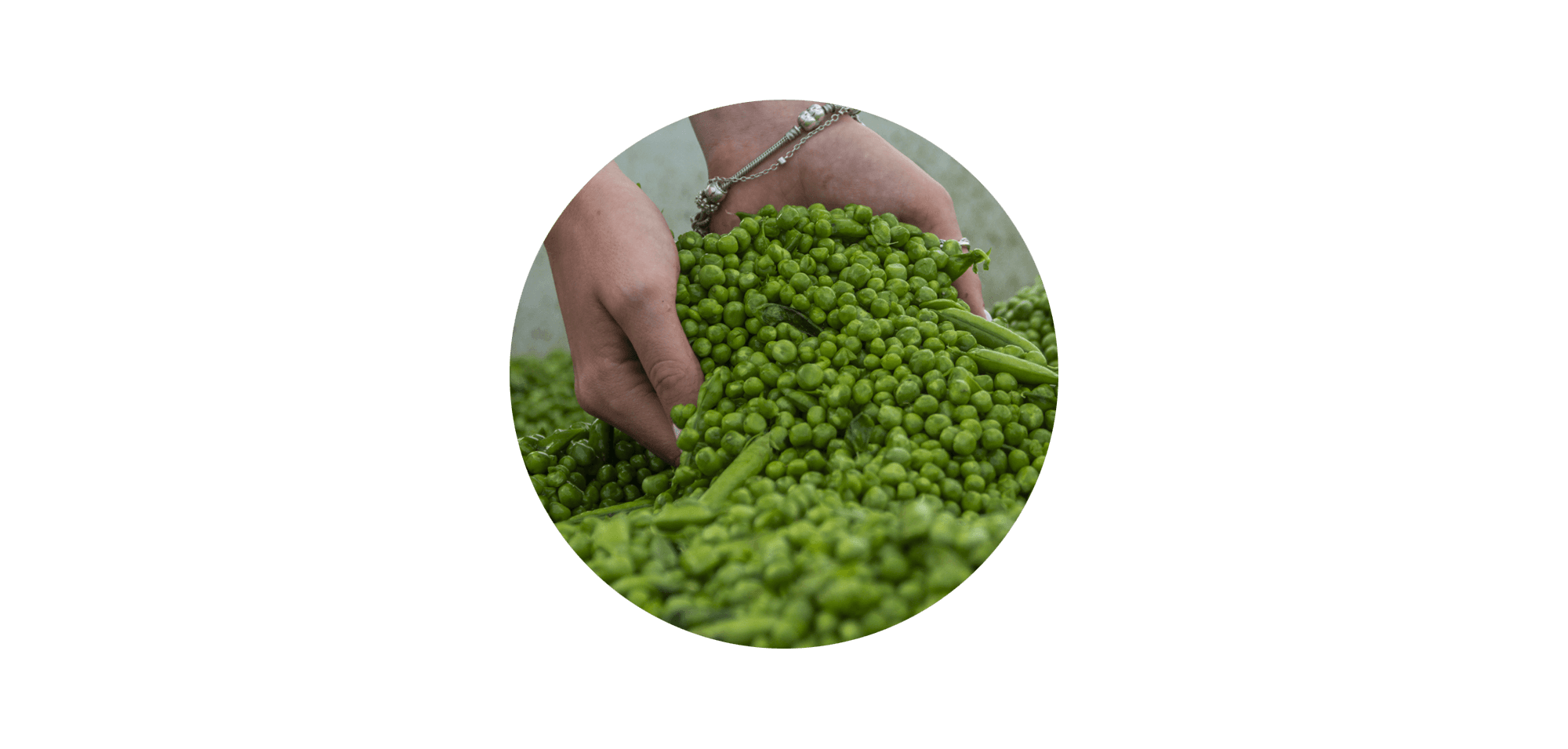
The life of a pea
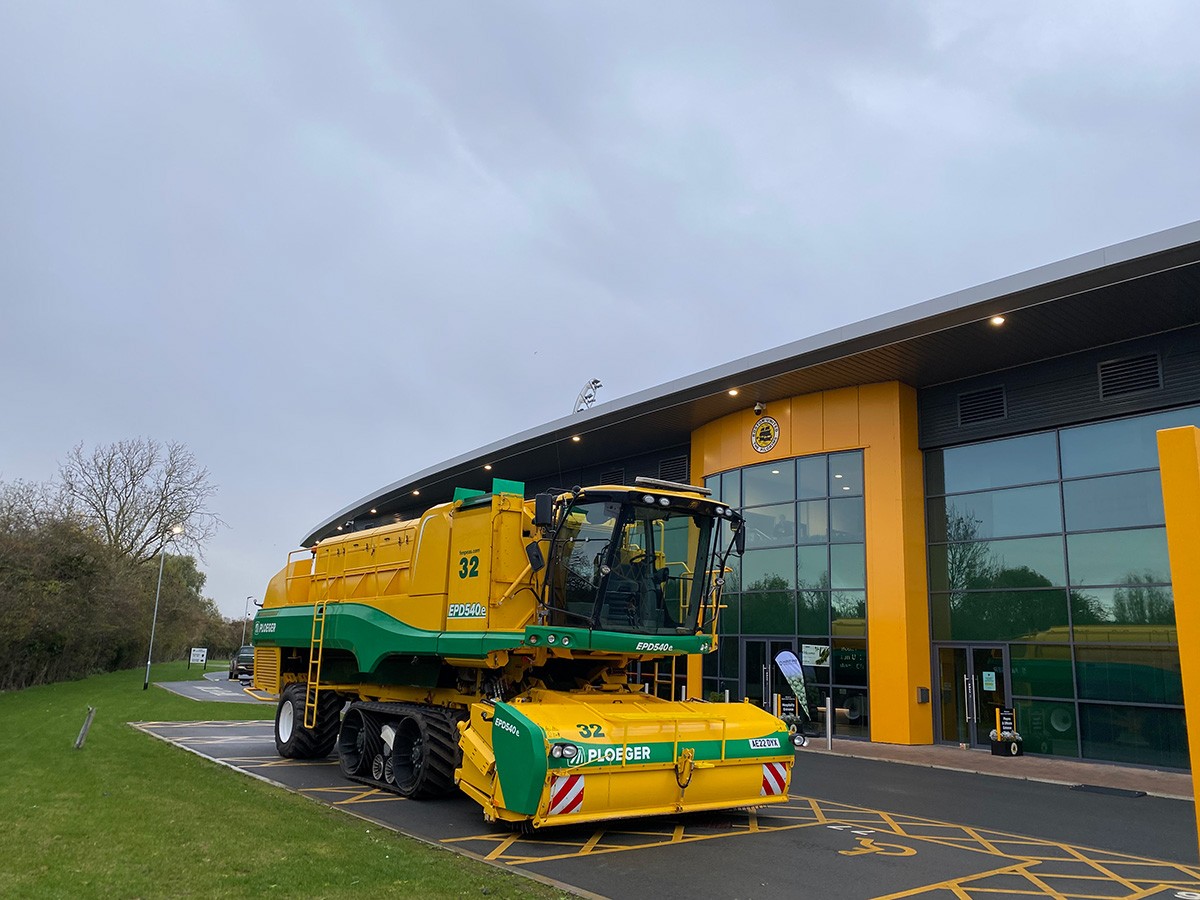
You probably know us best from our bright yellow and green viners trundling across the Lincolnshire countryside between late June and early August. But that's really just the finale. Most of what we do happens in the other ten months of the year, through careful planning and a whole lot of groundwork.
Getting every acre harvested at exactly the right moment - when the peas are at their most tender and sweet - takes year-round preparation and a 24/7 harvest schedule that doesn't stop until the last pod is in.
October
Once we’ve analysed the previous harvest, it’s time to talk to our customers to get a feel for their needs for the coming year. Once we have an indication of the volumes required, we talk to our growers to firm up what area of land we’ll need to produce that tonnage.
November
This is when we order our pea seed. It’s important to do this nice and early, because — although we don’t start drilling until March — some of the seed comes from as far afield as New Zealand, Argentina and the west coast of America, so can take upwards of ten weeks to arrive.
This is the time when the industry meet to share crop experiences from the year ending, as well as looking at future research needs.
December
It’s now time to complete the Drilling Programme. This is very complex, and becomes more so every year. Peas’ ripening rate varies according to variety, soil type, altitude and weather – so we need to take both science and experience into account. There is a limit to how much tonnage we can deliver per day during harvest, and every day of ripening counts, so we must plan the drilling carefully, field by field, so that the peas’ ripening is staggered as evenly as possible throughout the harvest. If peas get too ripe, they can’t be frozen at harvest, so we need to make sure they’re processed as soon as the pod goes pop!

January
Probably our quietest month. The first of the pea seed that we need to plant next month begins to arrive on farm. We use the down-time to hold industry meetings, discussing the results of trial work carried out by the Processor and Grower Research Organisation (PGRO) the previous year. It’s important to stay on top of developments in agricultural research that could help us farm better.
February
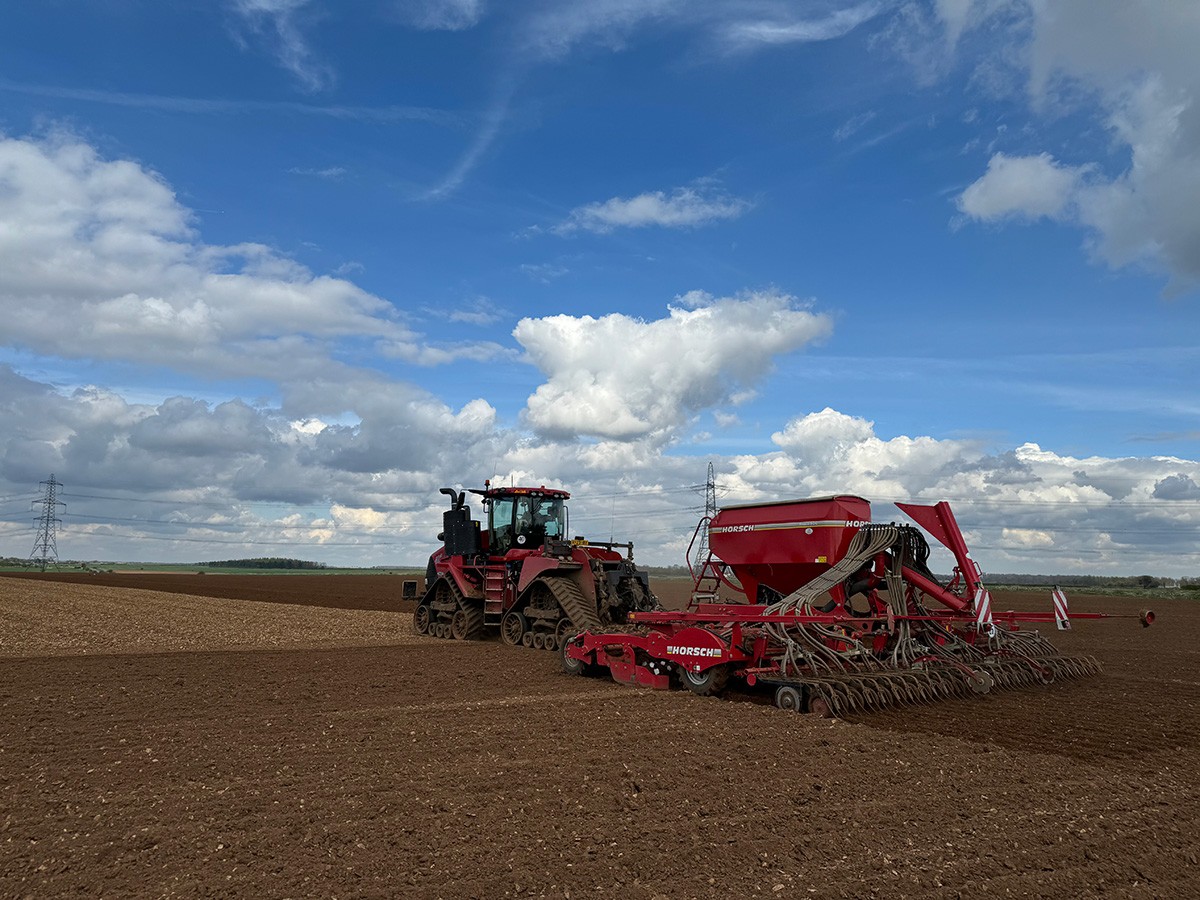
The planting begins! We carefully take soil temperatures of our fields all over Lincolnshire – once a field reaches 5°C, it’s ready. The lightest soil warms the quickest, so we start with that; first ploughing and cultivating it to make a seed bed, then planting the pea seed.

March
Planting continues as we complete the fields around Grantham, Sleaford and Lincoln, before moving over to the highly fertile silt soils just north of Boston. Every day we take the maximum and minimum temperatures of the fields – this allows us to know exactly when we can plant. The higher the temperature, the quicker the peas can be bedded in.
April
We’re now planting the finest land, which will deliver the highest yields. These fields ripen quickly, but hopefully — thanks to the careful planning we did earlier in the year — the crops should be ready right at the point we harvest them. It’s also vital to keep monitoring the crops already planted, to check for pests and diseases that could affect quality and yield.
May
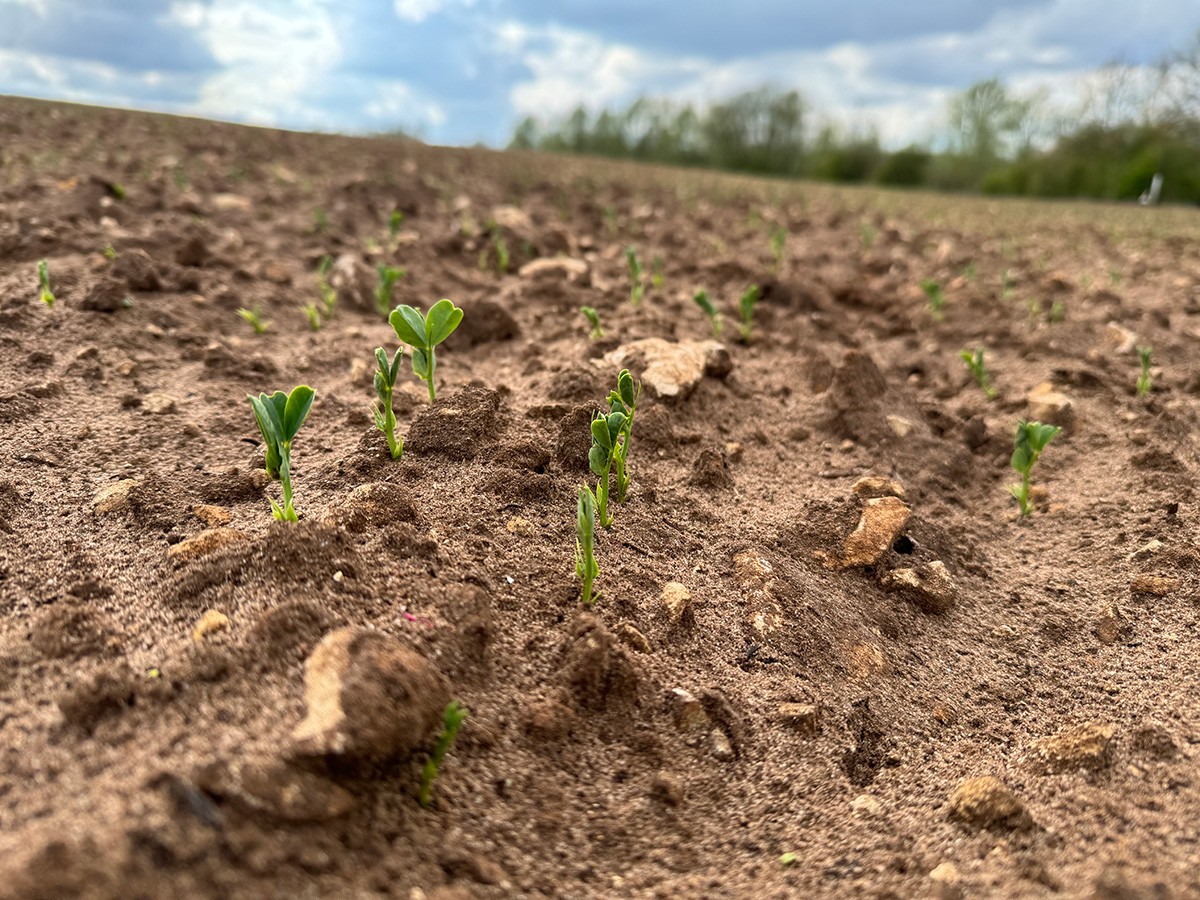
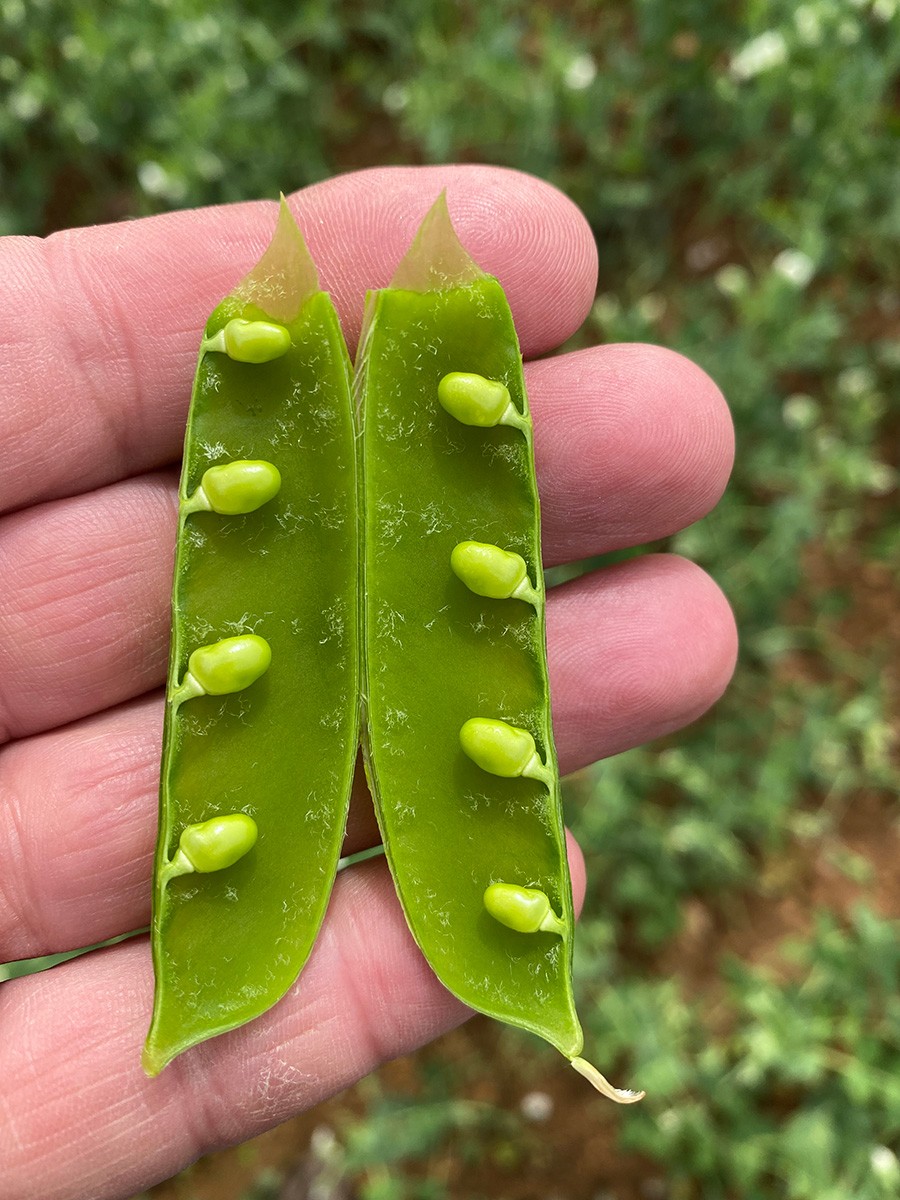
In a normal year we complete the planting in the middle of May. With temperature and humidity rising, it’s often necessary to protect the peas from aphids, moths and disease. Whenever possible we avoid the use of pesticides and use natural products instead.
June
Most of our attention is now focused on harvest, which usually starts in the last week of June (temperature and sunlight permitting). As part of our planning, we head to the processing plant to agree a loading schedule. The Pod Squad assembles for a training day, so we’re all tip top for when the madness starts.
This is also when the Sampler starts work. They rove across Lincolnshire, visiting up to ten fields per day, gathering peas for us to test. We use a tenderometer to check each field’s peas for tenderness. This is how we ensure that we’re harvesting every field at precisely the peak of ripeness.
July
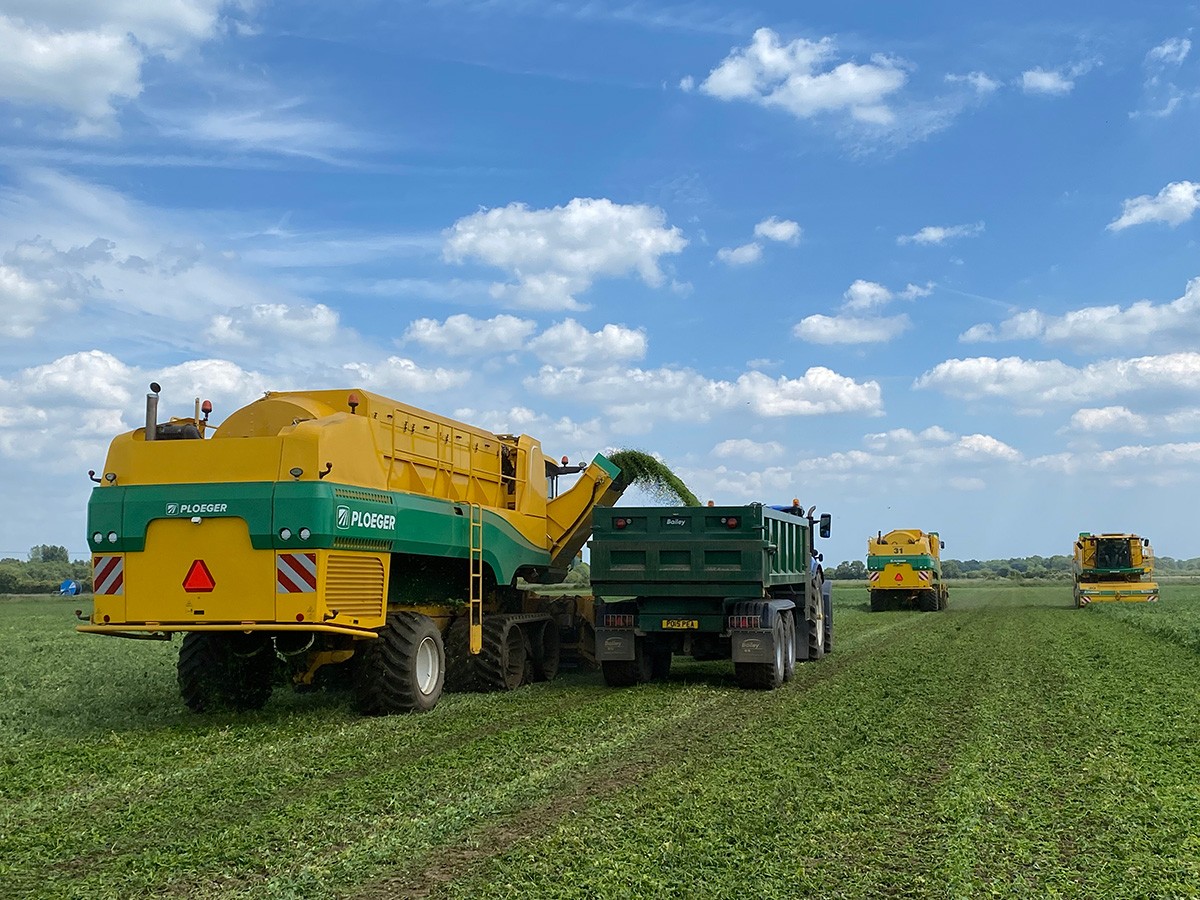
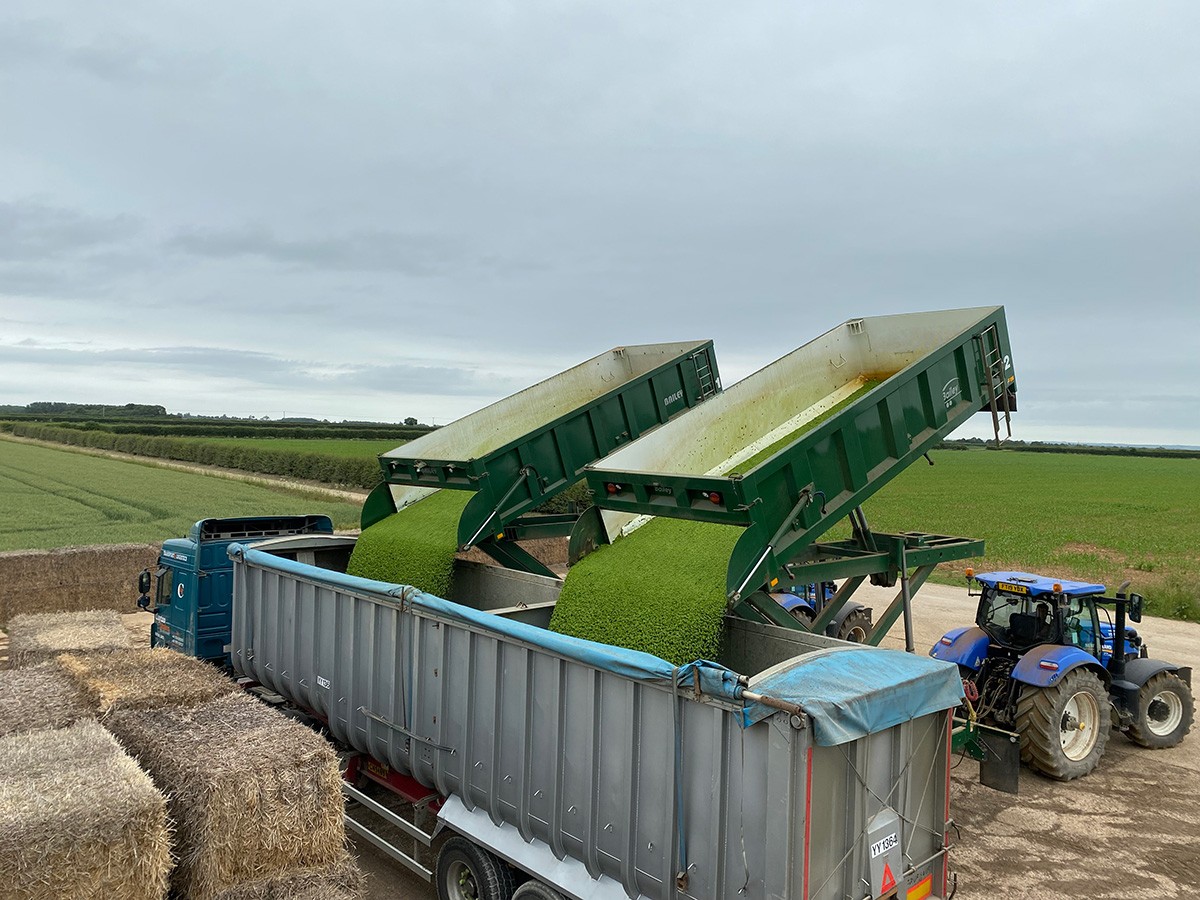
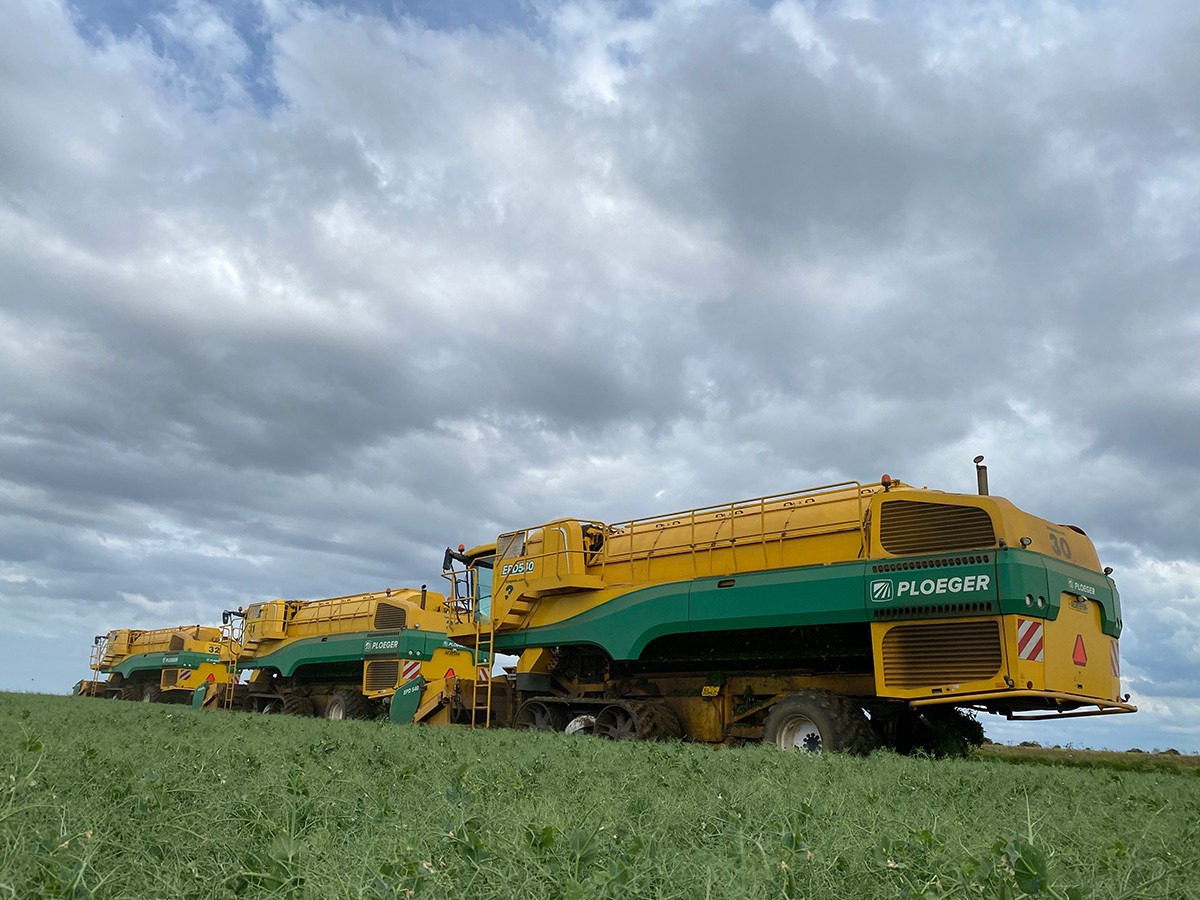
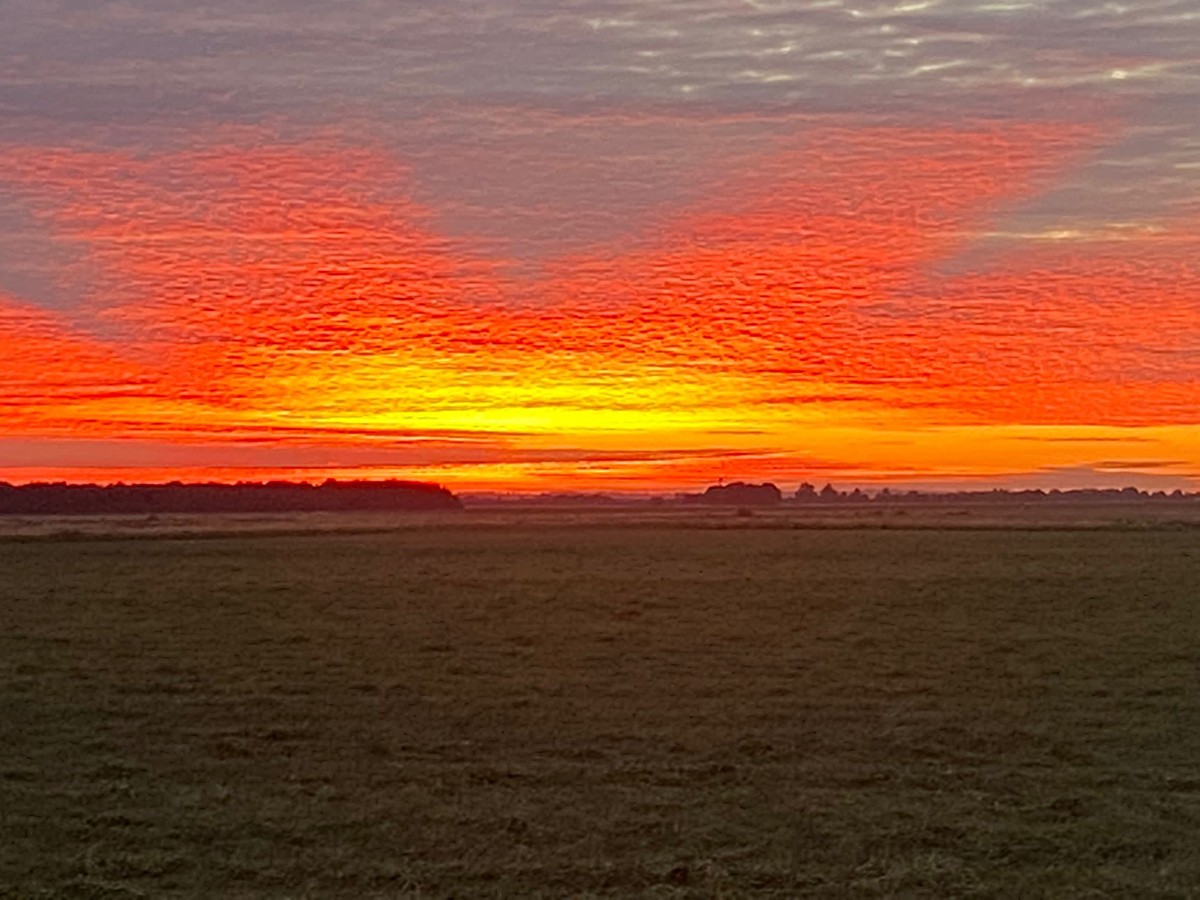
Now we’re in the heart of harvest. The harvesters run 24 hours a day, seven days a week – with lorries running to and from the processing plant all the time, ferrying 300 tonnes per day. We manage all this by constantly monitoring field sample results, the weather and even traffic conditions, all the while projecting plans for the next day. The pea harvesters need cleaning and maintaining every day, too. It’s hard work, but we get to see some truly beautiful Lincolnshire sunrises and sunsets.
August
Everyone is starting to get tired now, as the end of harvest draws near. We usually finish during the second week of August – and something approaching a party atmosphere develops in the field over the final few days! Sometimes a couple of harvesters head off to help neighbouring groups, if there’s more to do. When the last pea is harvested, it’s back to the yard to clean down.
September
It’s done. The harvesters are stripped down, thoroughly cleaned and then go back to PMC Harvesters and Wold Engineering for their winter overhaul – they’ve been worked hard!
Now that we’ve caught our breath, there’s a chance to evaluate the season. What went well? What could have been improved? No two harvests are the same, and there’s usually something to learn from.